Bayer Crop Science · 2018–20
Harvest Manager
European growers work under strict pesticide residue limits. Get the spray plan wrong and the harvest is unsellable in your own market. Harvest Manager is a pre-season planner that lets a grower design a spray plan against the residue standard of the market they intend to sell into.
- 20
- Berry growers in validation testing
- 3
- Major production countries covered
- 3
- Design iterations, each tested with growers

The grower's dilemma
Crops sold into the European market face very strict pesticide residue standards. A grower has to manage pests, weeds and weather — all of which demand intervention — while still producing fruit and vegetables that come in under those residue limits. The two pressures work against each other directly.
Failing to hold the line is expensive. Growers who miss the standard can't find a market for their produce at all, and end up selling outside their own markets at a loss. The decision that causes it is made months earlier, in a spray plan, with no feedback until harvest.
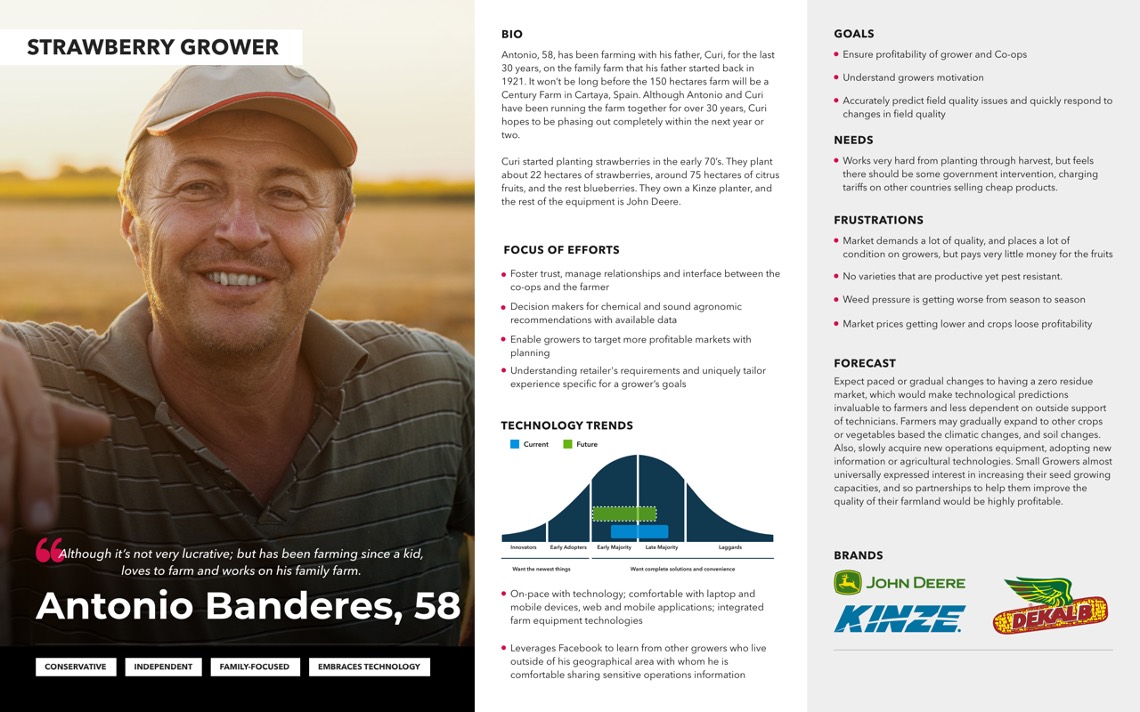
What growers told us
"Market demands higher quality but doesn't pay for the fruit."
"Need a way to manage the residue levels on an increasingly strict govt. standard for produce."
"Don't plan every spray pre-season, it depends on what's wrong on the field."
That last one shaped the product more than anything else. A spray plan is not a document you write once — it's a decision you revise every time the field changes. Anything that assumed a fixed pre-season plan would be abandoned by March.
Research
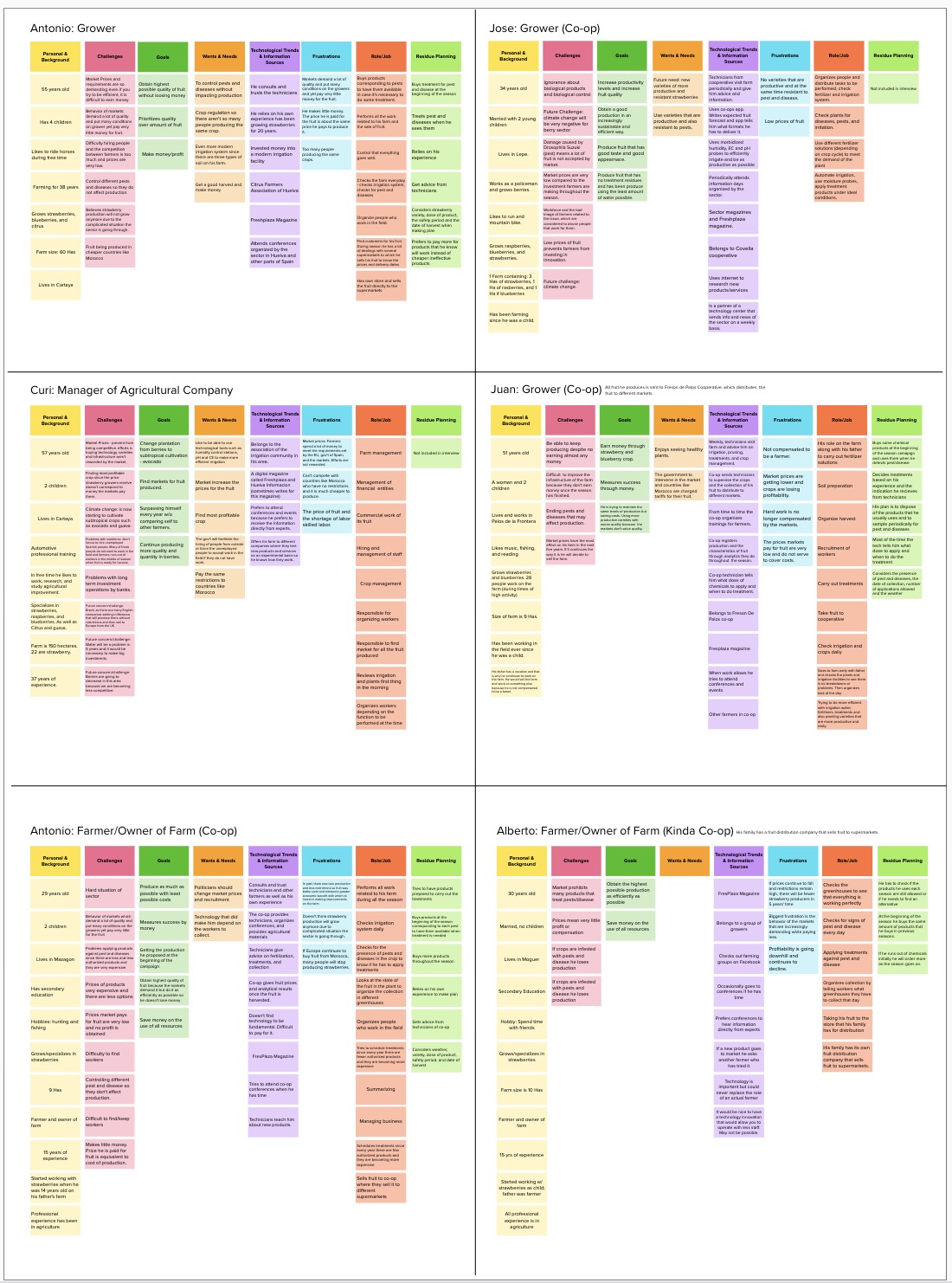
Spain · Poland · GermanyWe ran interviews across Spain, Poland and Germany — the primary target markets for the application — to understand growers' goals and challenges. From those interviews we built an affinity map to theme the challenges growers were facing and work out how best to address them. It also served to test the assumptions the business had handed us at the start.
Three findings set the direction:
- Residues are a problem that growers recognise and actively manage.
- Growers are uncertain about what their residue levels will actually be at harvest.
- Zero residue is where growers expect the market to end up.
The platform we proposed would:
- Comply with the residue standards of different regions
- Provide targeted agronomic advice
- Enable greater market access and flexibility in where produce can be sold
- Minimise cost by reducing crop wastage caused by high residue levels
Three iterations
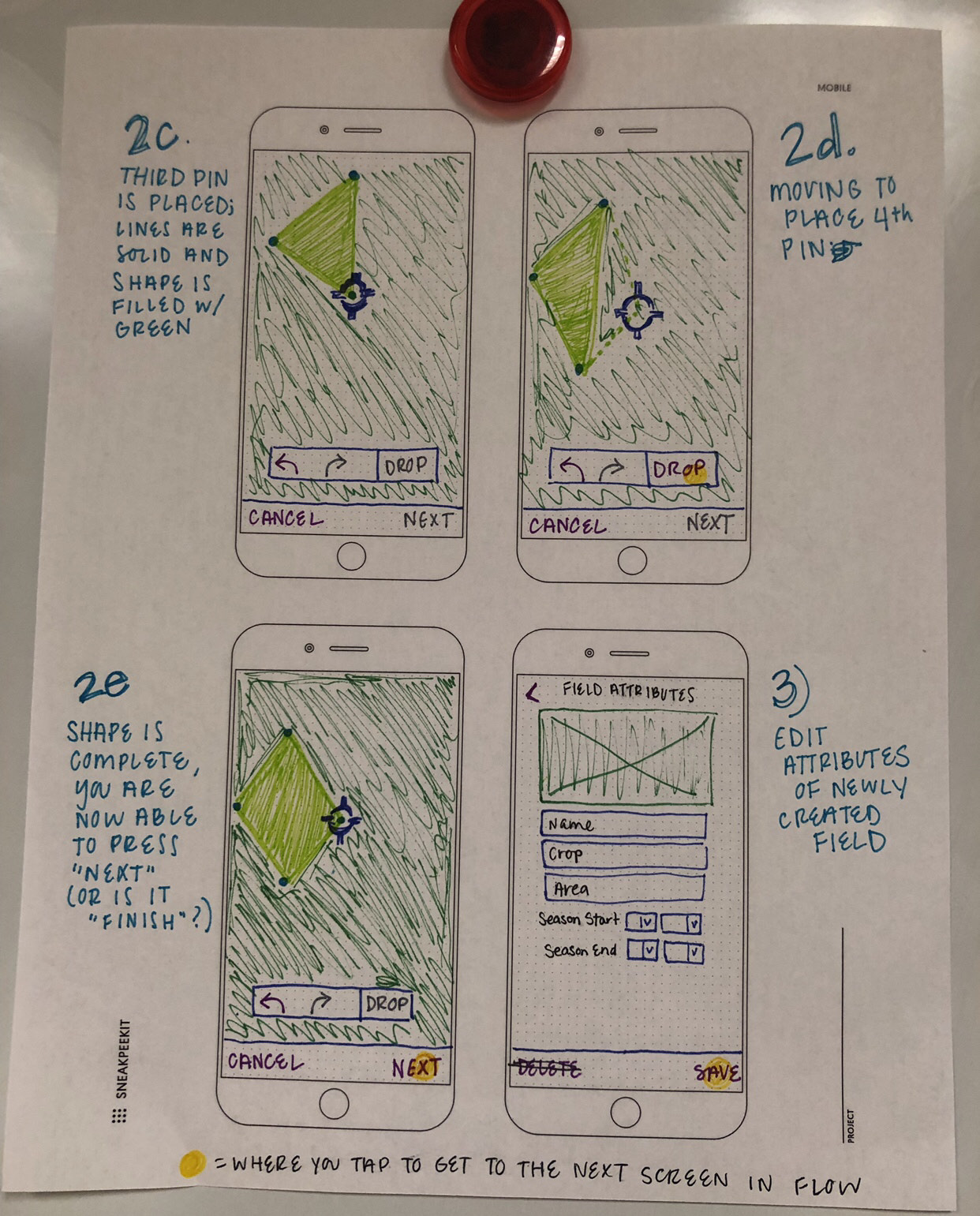
Design processIteration 1 — journey, flow and sketches
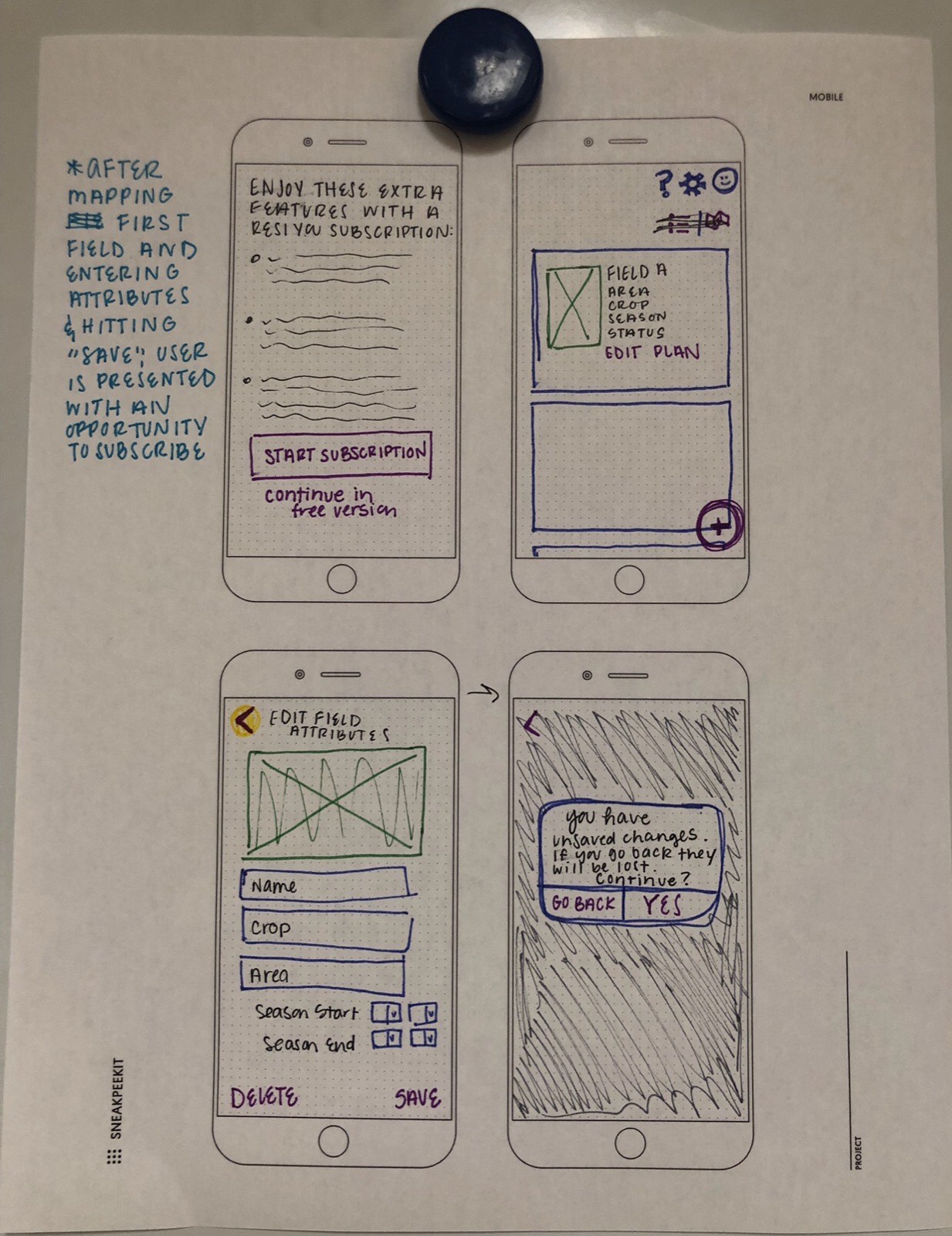
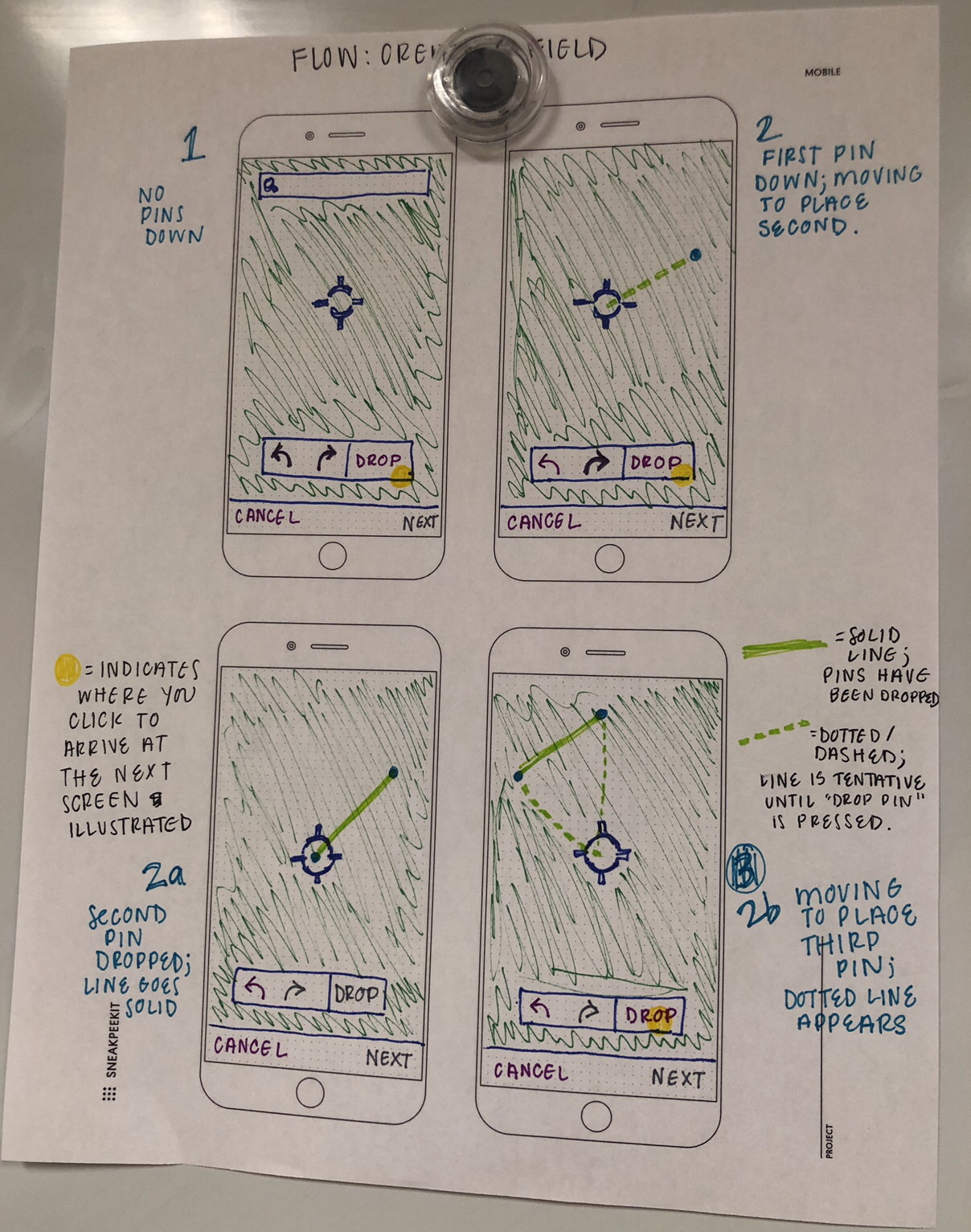
The first pass was about sequence, not screens: mapping the user journey and flow, then sketching against it. The open question was where in a grower's year the product sits — we were designing a pre-season tool for people who had just told us they don't plan everything pre-season.
Iteration 2 — wireframes, tested with growers
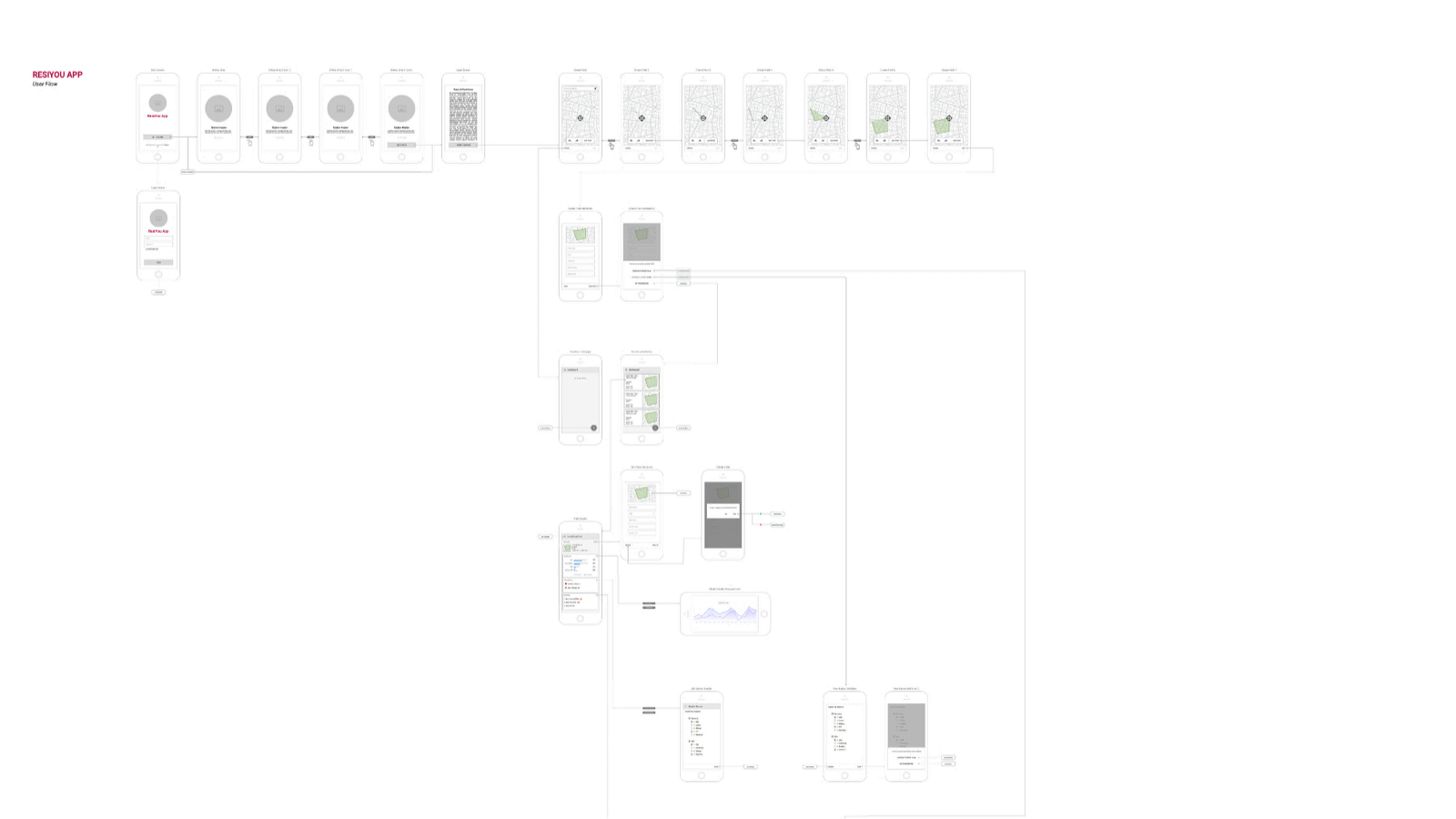
The second iteration turned the sketches into wireframes and put them in front of farmers and growers to verify that the flow made sense to the people who'd have to use it between field visits.
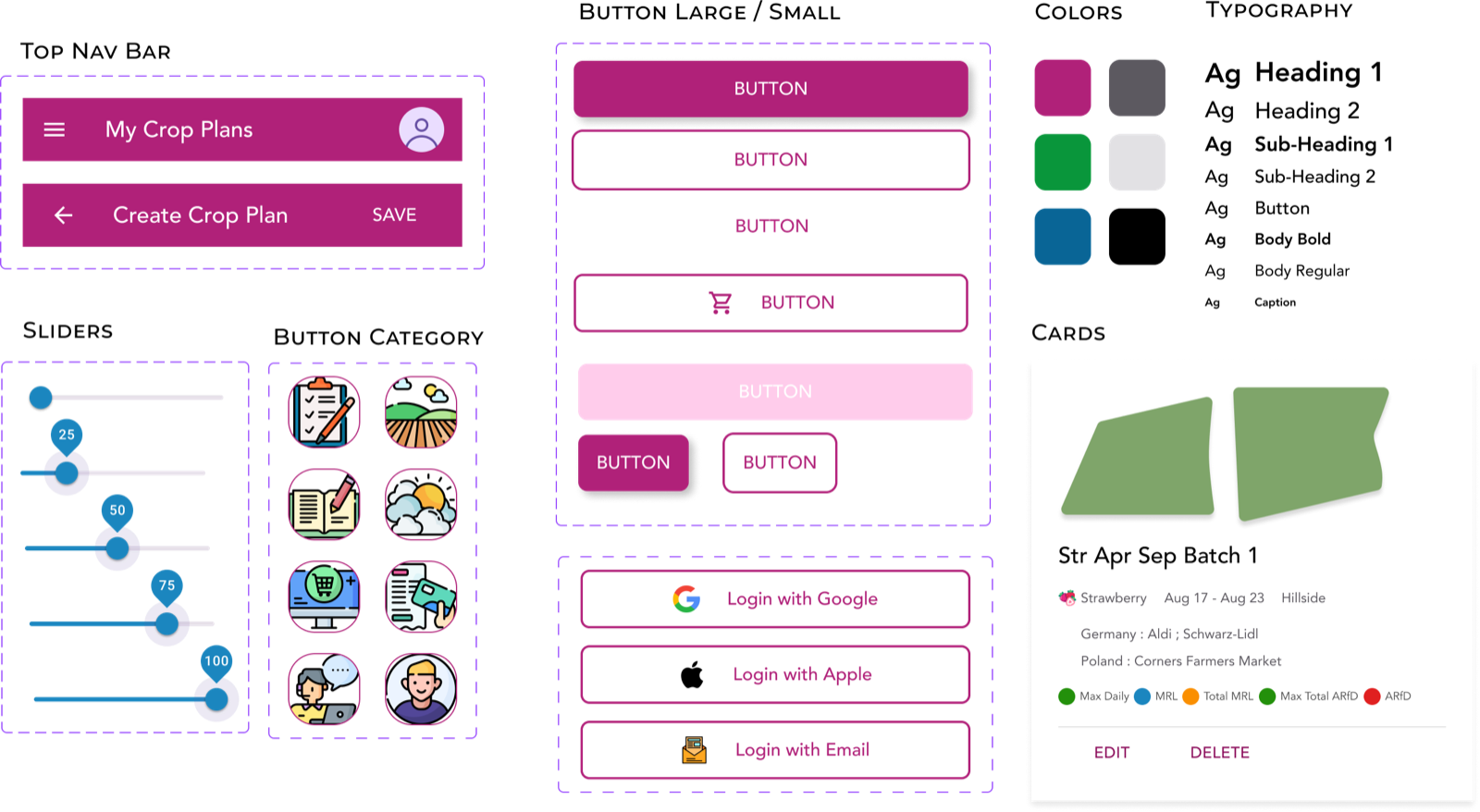
Iteration 3 — the pre-season residue planner
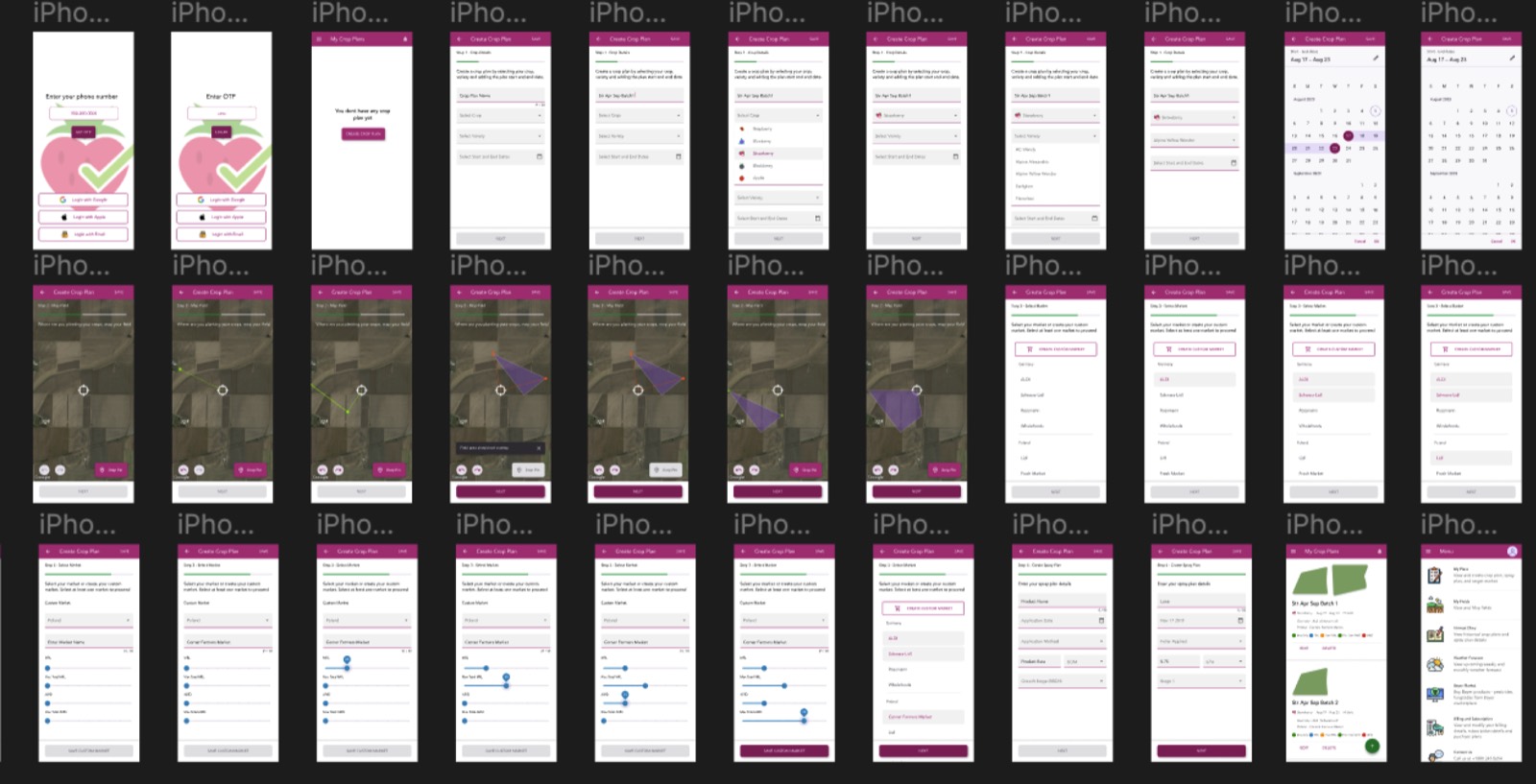
The final design let growers:
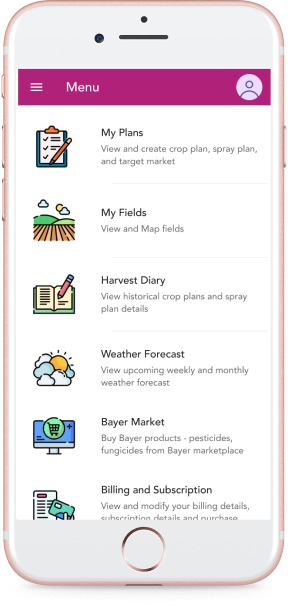
- Map their fields — drawing field boundaries directly onto satellite imagery
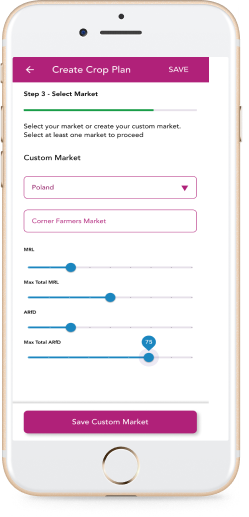
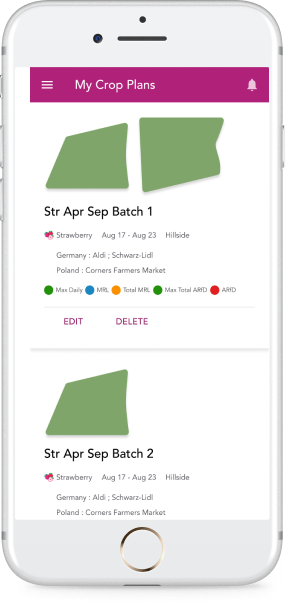
- Select a target market from pre-defined options, or create a custom market with its own residue limits
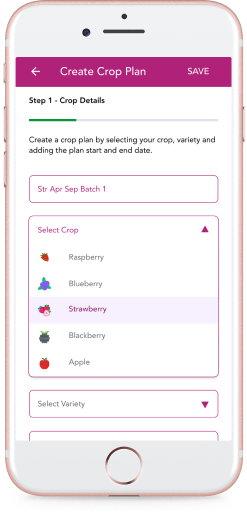
- Create custom spray plans against that market's standard, per crop and variety
Making target market an explicit, changeable input is the core move. It turns an invisible constraint — the residue standard of wherever you eventually sell — into something the grower sets at the start and designs the season around.
Where it got to
The application was tested with 20 berry growers across three major production countries, validating the pre-season planner flow end to end.